

Peace with unpredictability
Worth welcomes our lack of control

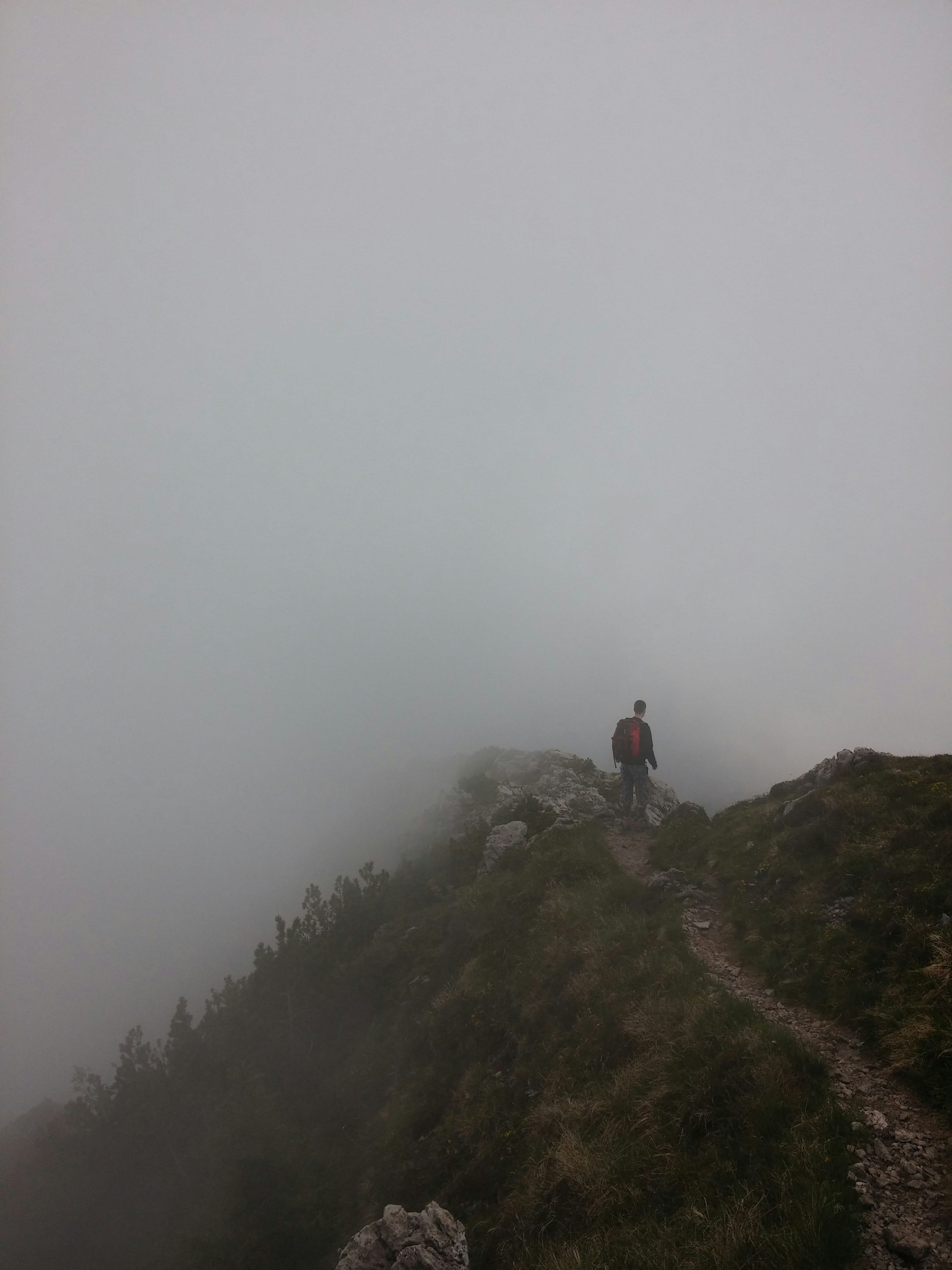
If we rightly live our sense of worth, we can become more comfortable with unpredictability and have less need for unsustainable control.
For its part, control over our circumstances is two things: mostly unattainable and definitely overrated.
I’m not saying you or I shouldn’t have a plan and try to bring it to fruition, but holding loosely to plans and being at peace with unpredictability can be evidence of a robust sense of worth. It says your worth isn’t derived from everything going flawlessly.
Worth and a sense of control have a deeply entangled relationship. A tragic flaw we can make is to feel more at peace with ourselves, the more we feel in control, or appear to be in control. It would be hard to construct a more fragile design for our sense of worth. A torrent of emotion and awful self-protective actions can find their source in this design. What if something doesn’t go right, someone disappoints our plan, and we appear to be imperfect in our execution? We can become untruthful, resentful, aggressive, manipulative, or blame factories.
Nature as teacher
If hiking and spending time in nature have given me anything, it’s an ease with unpredictability. Whether it’s weather or what birds show up, nature can be a routine reminder that control is folly and often can rob us of great stories.
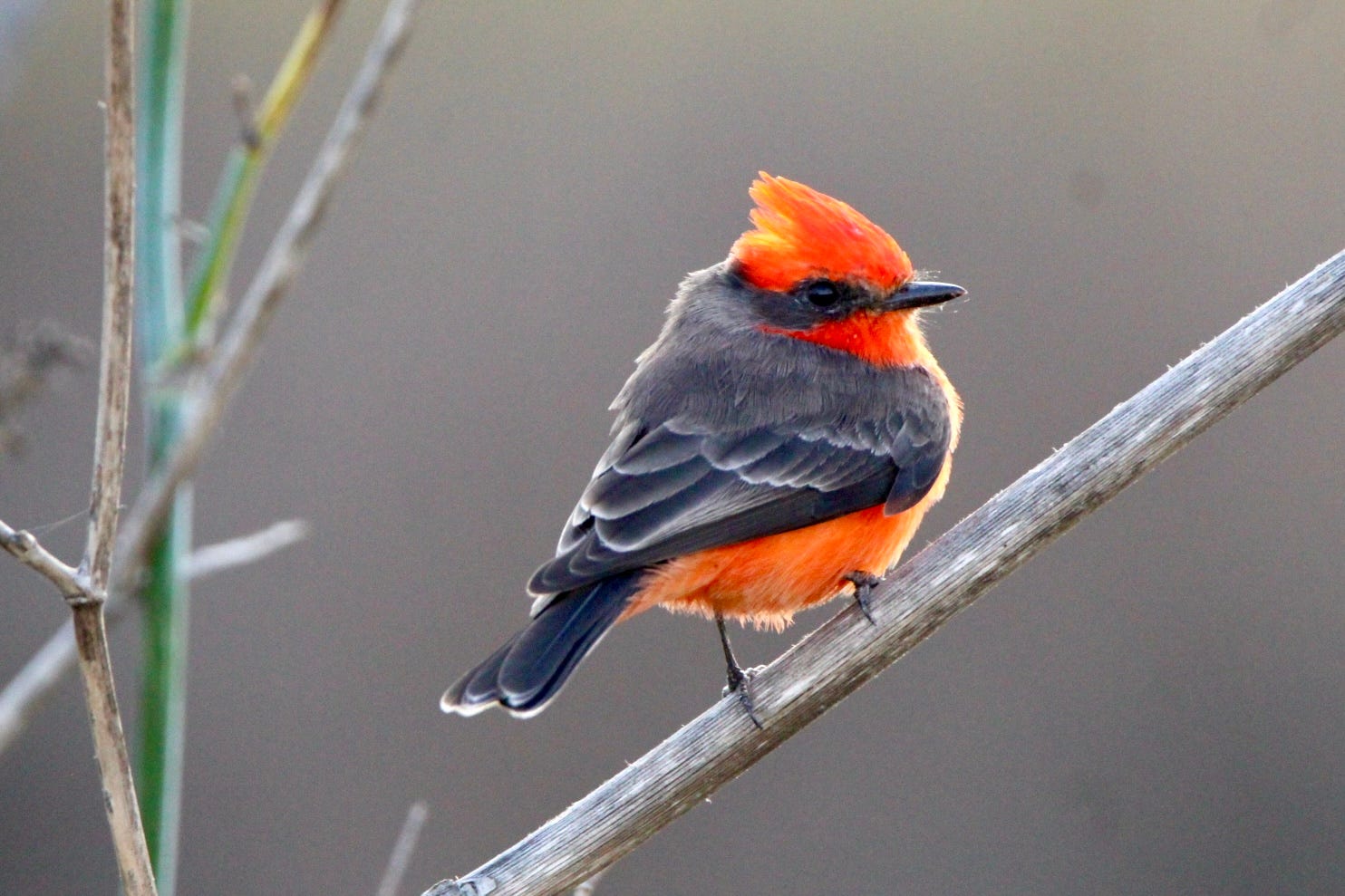
Easily my favorite picture last year came about as I was stewing over a lackluster weekend of birding and taking a grudge-filled walk on a trail I had zero confidence in as a source of anything interesting. As I sidestepped to allow endless joggers, dog walkers, and bikes past, I was gifted some unpredictability. Suddenly, in an expansive open space near a lake, there it was. Perched as if posing, a vibrant vermillion flycatcher rested in a perfect evening glowing outline. Even as I brought my camera to my eye to focus, I had little hope I’d get such an easy picture. To think of all the attempts, hiked miles, and travels that were bested by a hike of near-zero effort or expectation is humbling.
Oliver Burkeman, in his book Meditations for Mortals: Four Weeks to Embrace Your Limitations and Make Time for What Counts, shares:
Almost everything that happens, according to an adage of uncertain origin, is either a good time or a good story. Either things go right, or they go wrong; and surprisingly often when they do go wrong – although of course not invariably – life ends up unaccountably better as a result.
Who do you think you are?
It is staggering hubris to think we know exactly what needs to happen and think we can control all the elements to bring it about. It becomes painful suffering when our sense of self is derived from the consistent and reliable unfolding of this prideful approach.
“I planned a thing, it went as planned,” is not the opening of a single anecdote anyone would care about. And yet we endlessly pursue this banal plot as if it were remotely desirable to anyone but our tyrannical ego.
As you move through the world, save a seat for the unrelenting presence of unpredictability; your worth doesn’t hang on this life-long travel buddy not being around. Fighting him can make the boat ride really miserable. He’s not going overboard, but you might.
Be well, friends.